Port-Rejected Container Recovery: What to Do in the First Hour
What a rejection means, why containers get rejected at Newark, Elizabeth and Bayonne, and the hour-by-hour fix.
Straight answers on rejected containers, demurrage, cargo securement, axle weights, freight rework and transloading in the Port of New York and New Jersey. Written by the crew that does the work, and sourced to the official rules. For quick definitions and short answers, use the freight glossary and freight questions and answers.
33 guides
What a rejection means, why containers get rejected at Newark, Elizabeth and Bayonne, and the hour-by-hour fix.
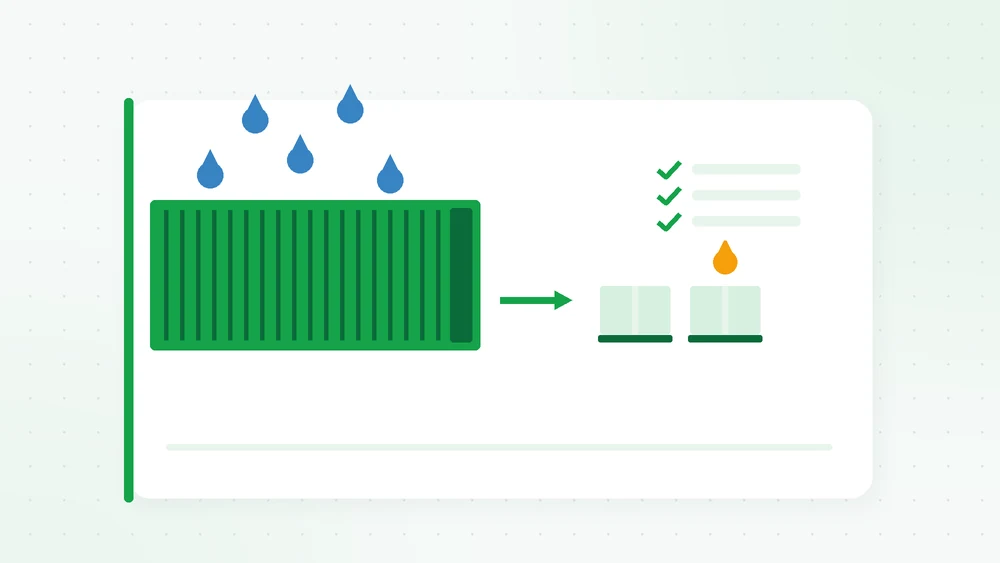
A first-hours plan for opening a container and finding wet freight: safety, documenting before moving anything, separating wet from dry, deciding whether to devan now, salvage choices and how to prevent container rain next time.
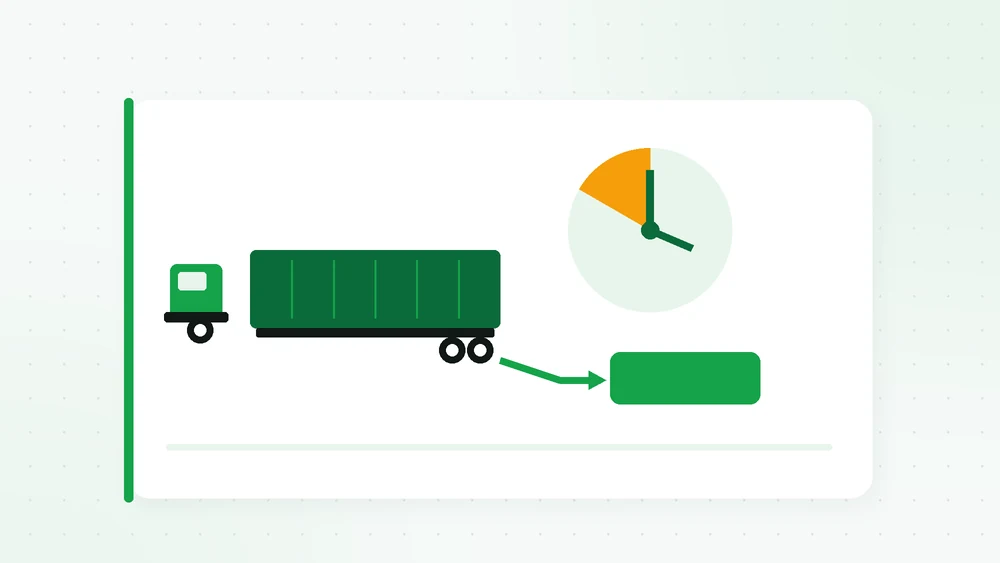
What dispatchers can legally do when a driver will run out of hours of service before delivery, from parking and relays to cross-docking the freight onto another truck, with a decision table and checklist.
Who pays a lumper fee under 49 U.S.C. 14103 and the rate confirmation, with a who-pays table by scenario, a reimbursement checklist, and how lumper fees differ from detention.
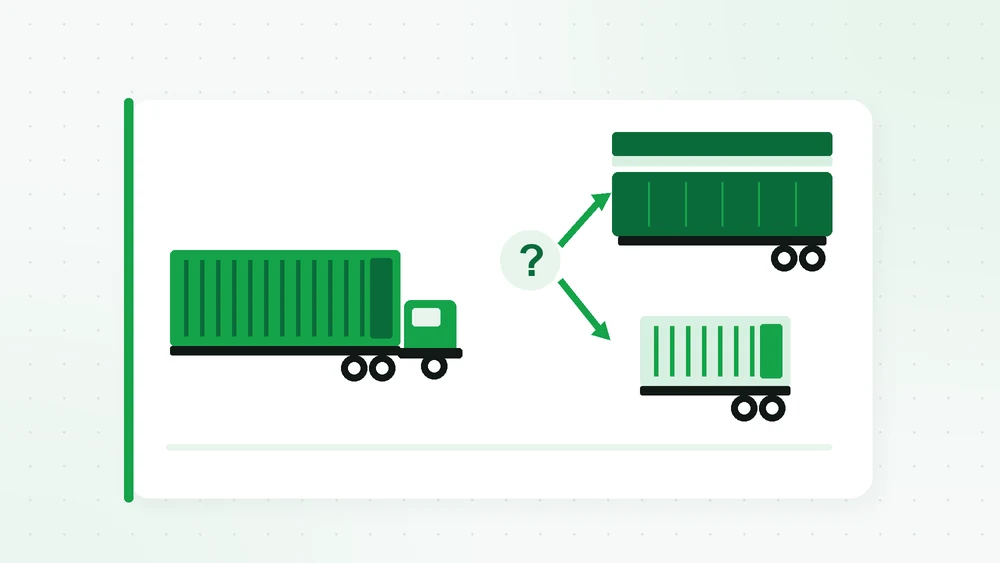
Store-door delivery, transloading or rail: how pallet math, the 80,000 lb limit, equipment clocks and the number of destinations decide the cheaper path.
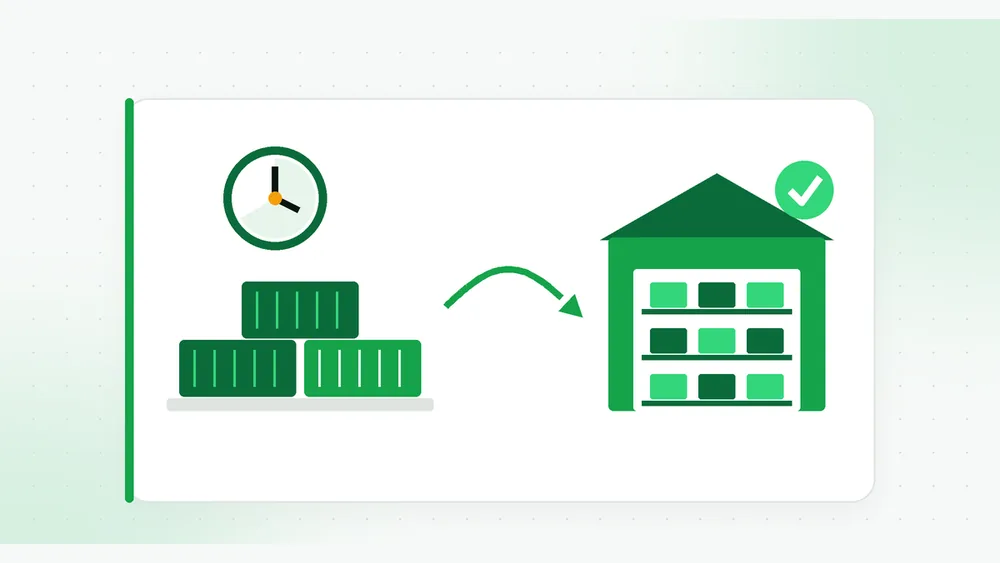
When imports peak at the Port of NY and NJ (ten years of Port Authority data) and where freight can wait when the DC is full: terminal, chassis, trailer or warehouse.
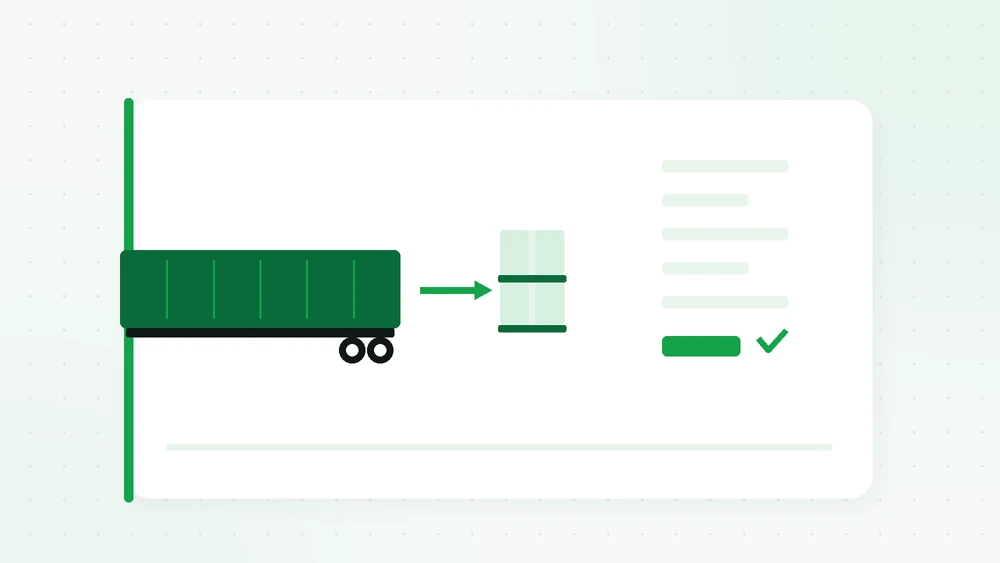
Dock, ramp or ground: secure the chassis, open the doors without cargo falling out, check for fumigants, then unload pallets or loose cartons.
What to check before signing the bill of lading, how to count and inspect, how to write specific exceptions, and how to handle OS&D.
Which BLS producer price index fits truckload, LTL, local trucking or warehousing, how to calculate an adjustment, and how to handle revisions.
12 questions to ask before you book: own dock or brokered space, real hours, damage records, liability terms, trucking registration and pricing.
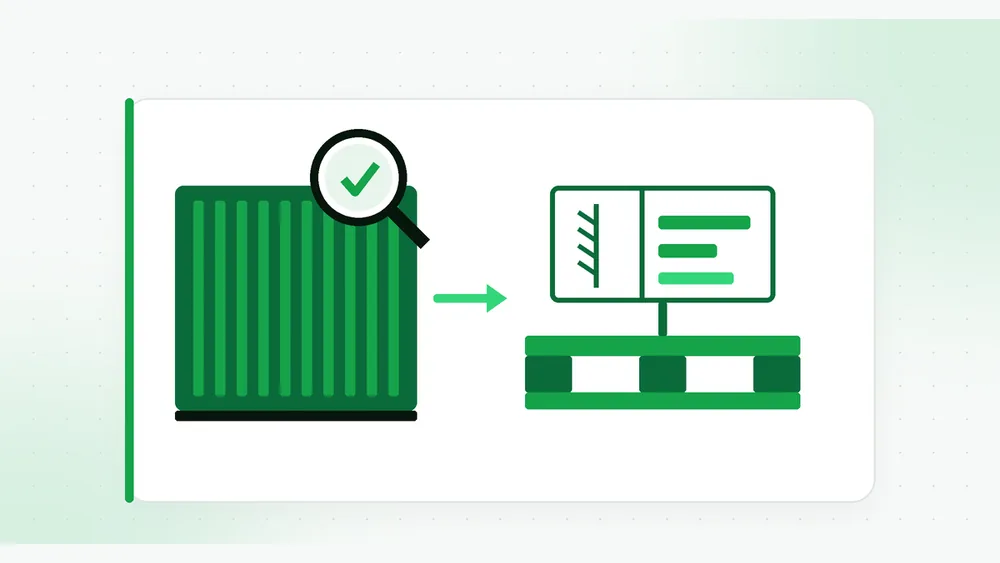
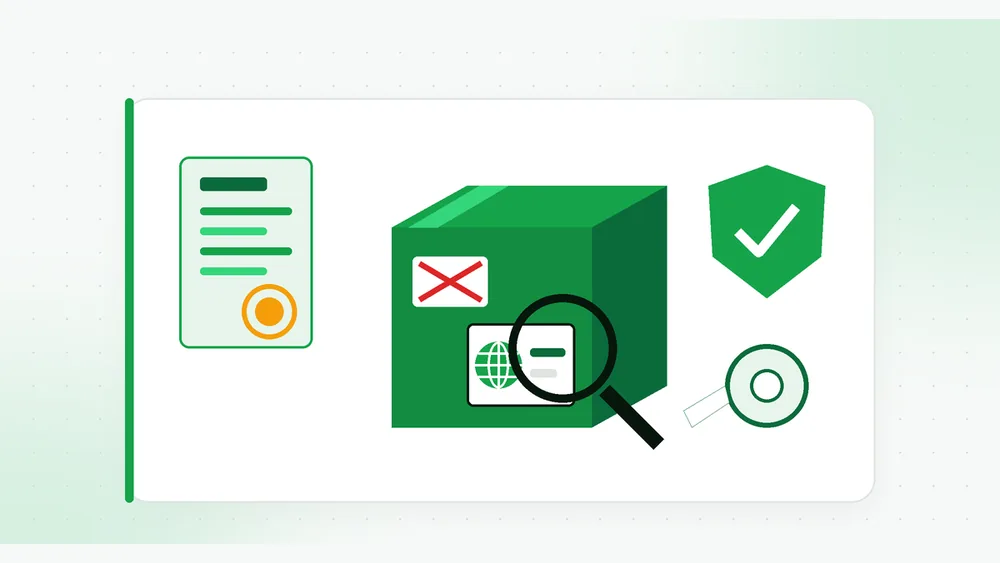
Broken, missing or mismatched container seal? What to record, who to notify and why the doors stay shut until the parties agree.
Receiver refused your delivery? First-hour steps, BOL notes, who pays, partial refusals, and when to rework, hold or return freight.
The 2026 tariff timeline and what it changes on the dock: origin marking, segregation, warehouse withdrawal timing and refunds.
Bonded warehouse, FTZ or duty-paid storage? Time limits, duty timing, FTZ 49 and 2026 Section 301 rules, compared plainly.
What really drives transloading and container unloading costs near Port Newark, and how to compare two transload quotes line by line.
What chassis splits, pre-pulls, street turns and chassis per diem pay for, who bills them, and which move stops each clock.
CBP's 15-day general order rule, Class 11 GO warehouses, who pays storage, and how unentered cargo becomes unclaimed after 6 months.
Terminal geography, congestion patterns and how carriers keep freight moving through the corridor.
Gross vs. axle weight, the federal bridge formula, and how an overweight load gets fixed same-day.
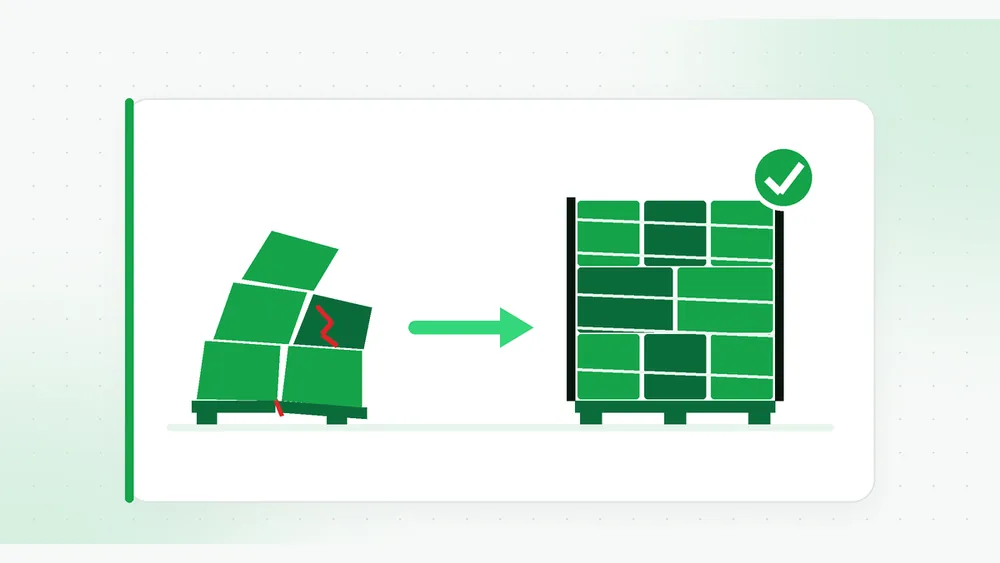
Is it safe to keep driving, what to do in the next 30 minutes, and how a restack actually works.
The operational difference between the three, and which one actually solves your problem.
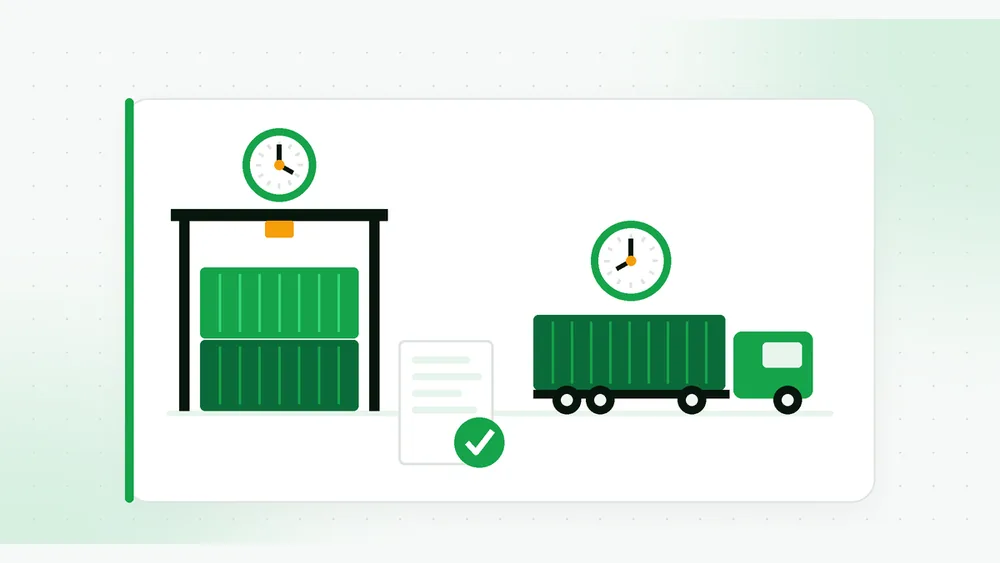
Where demurrage and detention clocks start and stop, what FMC rules require on every invoice, and how to dispute or stop the charges.
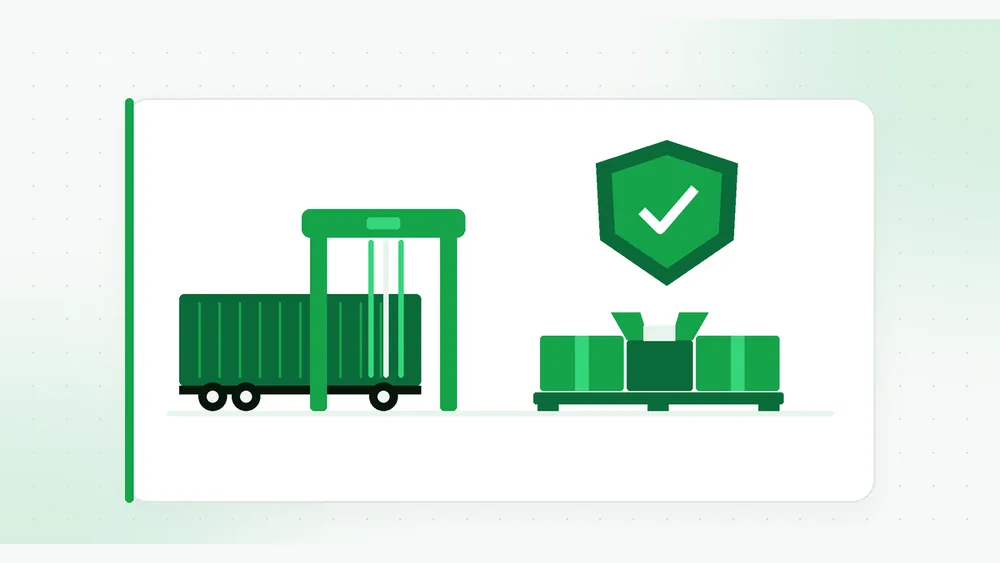
How X-ray, tailgate and intensive CES exams differ, who pays, who deals with CBP, and what to plan for once freight is released.
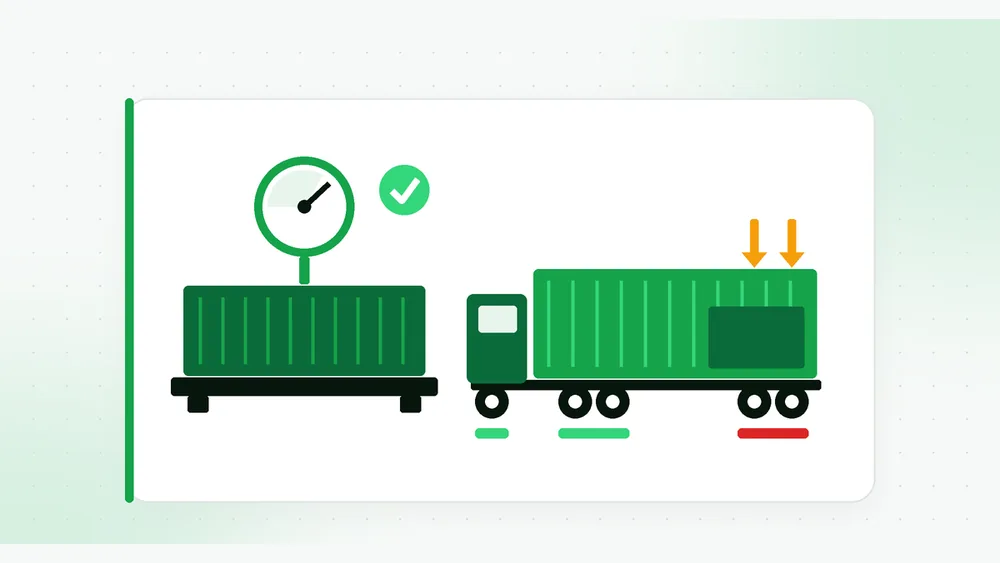
SOLAS VGM vs. federal axle and bridge-formula limits, and why a box with a correct VGM can still fail a road scale.
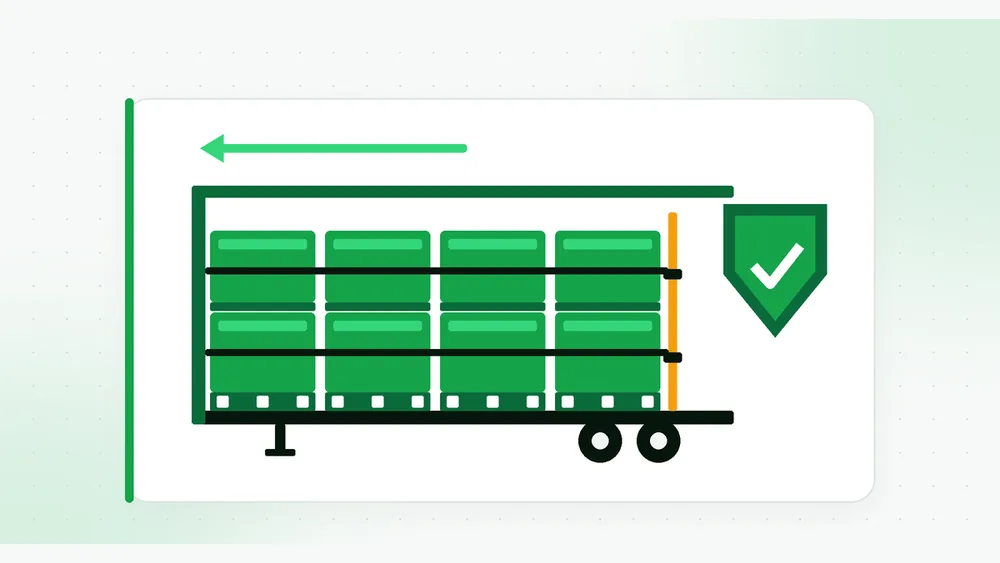
The 0.8 g and 0.5 g criteria, working load limits, the 50% rule and tiedown counts of 49 CFR 393, applied to palletized vans.
What the ISPM 15 stamp means, what inspectors check, and what CBP and APHIS require when wood pallets fail at a U.S. port.
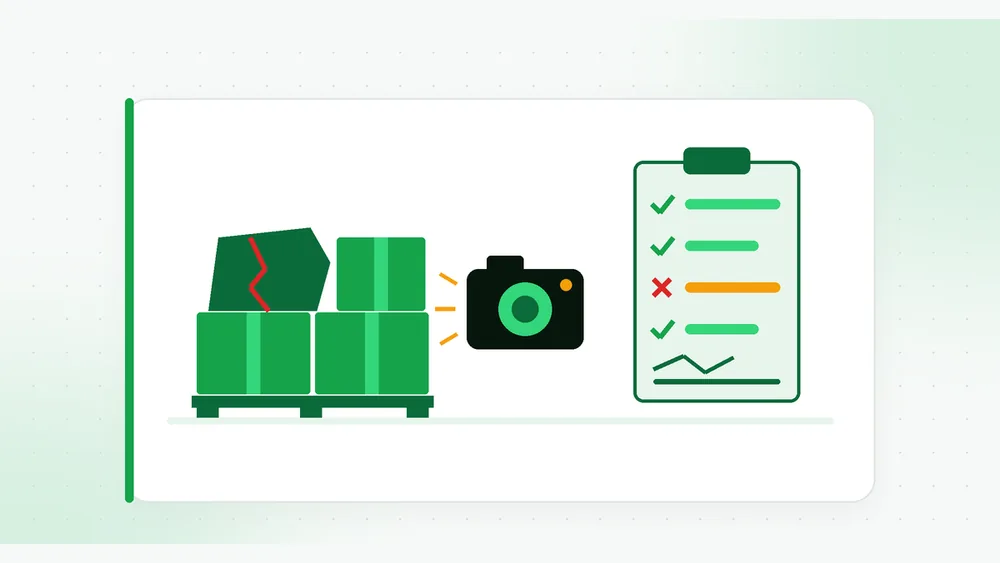
What to record at the dock when freight arrives damaged, what a valid claim must contain, and the Carmack and Part 370 timelines.
Inspect, segregate damaged cartons, restack in a stable pattern, wrap, re-weigh and document: how a damaged pallet gets rebuilt.
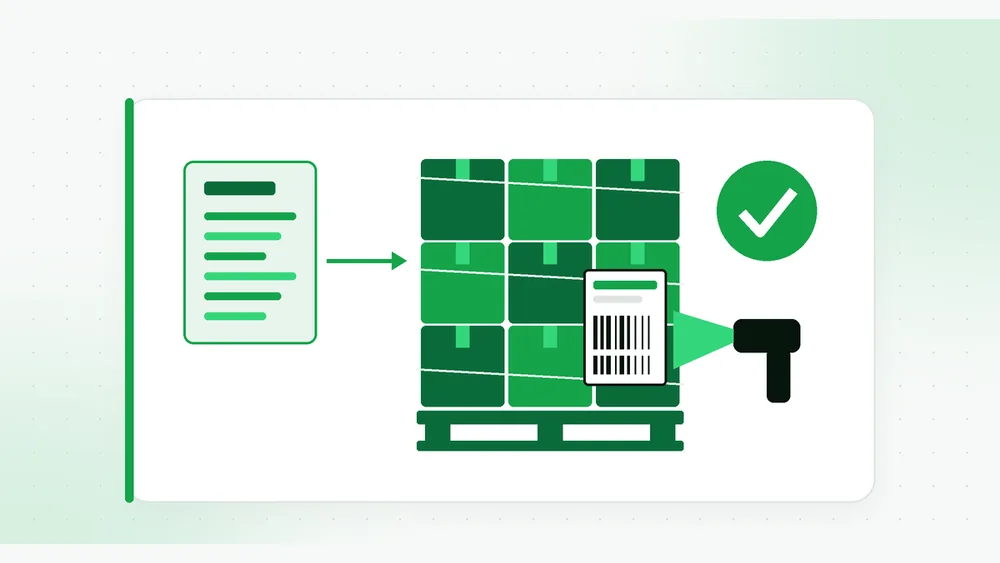
Why SSCC labels, label placement, pallet specs and ASN mismatches cause retailer chargebacks, and how a relabel job fixes them.
What origin-marking law requires, what a CBP Notice to Mark means, and how mis-marked imports get corrected under CBP's terms.
When pulling a box off-terminal into storage costs less than demurrage and per diem, with FMC billing rules and a cost comparison.
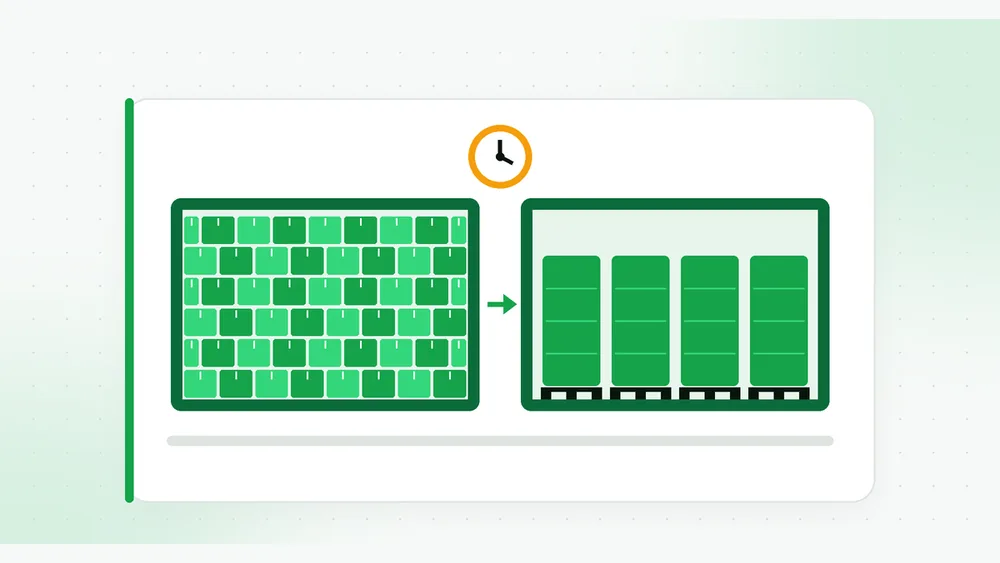
Floor loading fits more cartons; palletizing unloads faster. Cube math, detention exposure, devanning steps, and palletizing at a transload.
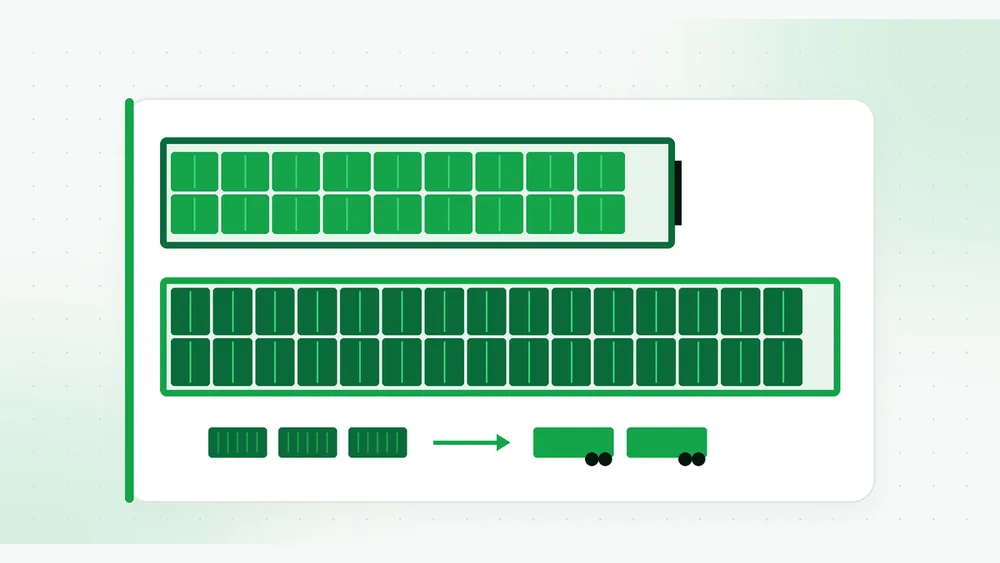
Pallet counts from published dimensions: 18 on a 40-ft container floor vs. 26–30 in a 53-ft van, plus when 3 containers become 2 trailers.
No guides match that search. Try another word, or ask the dock directly.